
To effectively clean for allergies, you must physically trap and remove microscopic triggers—like dust mites, pet dander, and pollen—from your home. Standard sweeping and dusting often stir these particles back into the air you breathe. You need a targeted approach that extracts these irritants from your surfaces and air to create a healthier indoor environment. This guide explains how to locate hidden allergens and use professional-grade sanitation methods to eliminate them.
DIY Upkeep vs. Professional Cleaning for Allergies
Professional allergy cleaning protocols prioritize the physical extraction of microscopic particles. Standard tidying simply moves dust around. The table below compares common household chores with the targeted methods required to significantly improve indoor air quality:
| Cleaning Task | Standard Home Method | Allergy-Focused Professional Method |
| Dusting | Feather duster or dry cloth | Damp microfiber with electrostatic capture |
| Floors | Standard upright vacuum | Certified HEPA filtration vacuuming |
| Carpets | Surface vacuuming | High-temperature hot water extraction |
| Air Quality | Air fresheners and sprays | VOC-compliant, fragrance-free sanitation |
What Are the Most Common Indoor Allergens?
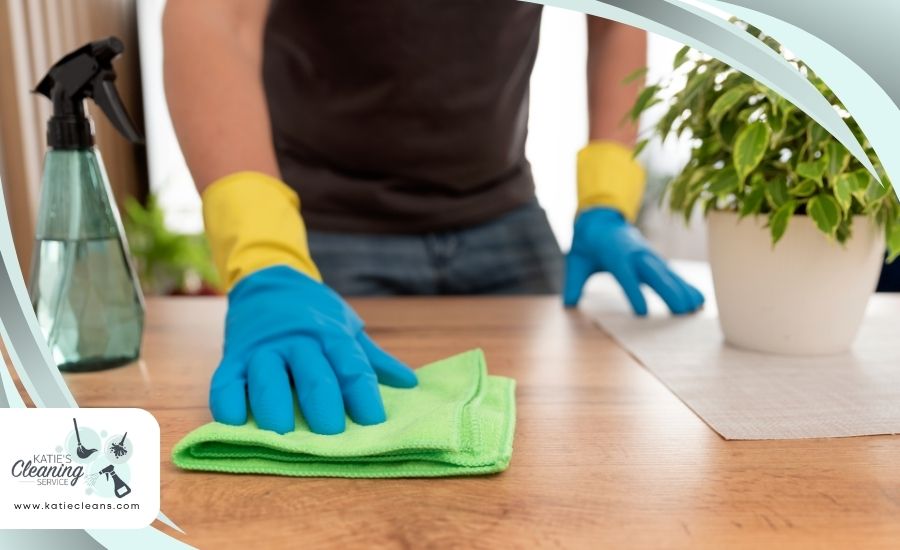
Microscopic irritants settle into fabrics and onto hard surfaces daily. You must physically extract these specific allergens to improve your indoor air quality:
- Dust Mites: Microscopic organisms living in mattresses and carpets. Their waste proteins cause severe indoor respiratory issues.
- Pet Dander: Tiny skin flakes that remain airborne for hours. They easily stick to walls, ceilings, and furniture.
- Mold Spores: Fungi that thrive in damp areas like bathroom grout. They release airborne reproductive spores that trigger allergic reactions upon inhalation.
- Pollen: Outdoor irritants that enter through windows or on clothing. They settle deep into carpet fibers and upholstery.
How to Control Indoor Allergens with Daily Cleaning Methods
Consistent habits prevent dust and dander from reaching harmful levels. Use these residential maintenance steps to manage daily allergy symptoms:
- Damp Dusting: Wipe surfaces with a moist microfiber cloth. This traps particles instead of pushing them into the air.
- HEPA Vacuuming: Use a vacuum with a certified High-Efficiency Particulate Air filter. This captures 99.97% of particles down to 0.3 microns.
- Bedding Maintenance: Wash sheets and pillowcases weekly. Use water heated to at least 60°C to kill dust mites.
- Clutter Reduction: Clear away excess books and decor. These items collect dust and complicate surface sanitation.
Why Hire Professional Cleaning Services for Allergy Relief?
Professional cleaners deploy industrial tools and systematic methods to extract deeply embedded irritants. A specialized service achieves a deeper level of sanitation by targeting high-impact areas:
- Hot Water Extraction: High-temperature steam penetrates carpet piles. Powerful suction extracts allergens and sanitizes the fibers.
- VOC Compliance: Professionals apply Green Seal-certified products. These solutions contain low Volatile Organic Compounds and lack irritating fragrances.
- High-Level Detailing: Technicians sanitize neglected areas such as baseboards, ceiling fans, and air vents to prevent dust from falling at the source.
- Cross-Contamination Control: Experts follow strict color-coded protocols. This ensures mold spores from a bathroom stay out of your bedroom.
How Consistent Cleaning for Allergies Provides Long-Term Relief
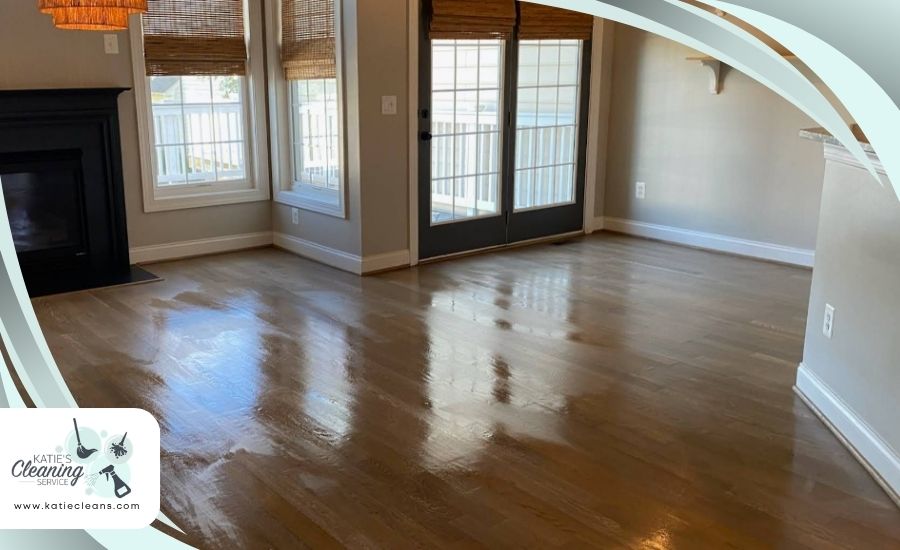
Living comfortably with allergies requires cleaning for health, not just appearance. Combine daily maintenance with periodic professional deep cleans to lower your home’s allergen load. This systematic approach transforms your living space into a safe recovery zone.
Consistent removal of biological triggers promotes better sleep and clearer breathing for your household. Katie’s Cleaning Service Inc. is a residential cleaning company in Manassas VA, specializing in recurring, deep, and move-in/out cleaning for local homeowners.
Create a healthier home environment today. Get your free quote for allergy-focused cleaning services.
Frequently Asked Questions
How can I reduce dust and allergens in my home?
Eliminate dust collectors like heavy curtains and old rugs. Use damp microfiber cloths for surface dusting. Maintain indoor humidity between 30% and 50% to stop dust mites and mold from multiplying.
Does regular professional cleaning help with allergies?
Yes. Professional cleaners use commercial-grade HEPA filtration and hot water extraction. These tools remove embedded dander and mite waste from fabrics. This physical extraction removes allergens that standard home vacuums leave behind.
What type of vacuum is best for allergies?
A vacuum with a certified HEPA filter is the only reliable option. This specialized filter traps 99.97% of microscopic dust and pollen inside the machine, preventing irritants from exhausting back into your air.
How do you get rid of dust mites?
Wash your bedding in water that is at least 60°C. Install allergen-proof covers on all mattresses and pillows. Use professional hot water extraction on carpets and upholstery to kill mites buried in the fibers.
Can cleaning reduce asthma symptoms?
Thorough cleaning directly reduces asthma triggers. Removing biological irritants and applying fragrance-free, low-VOC products prevents airway inflammation. This systematic extraction stops the coughing fits caused by accumulated household dust.

